
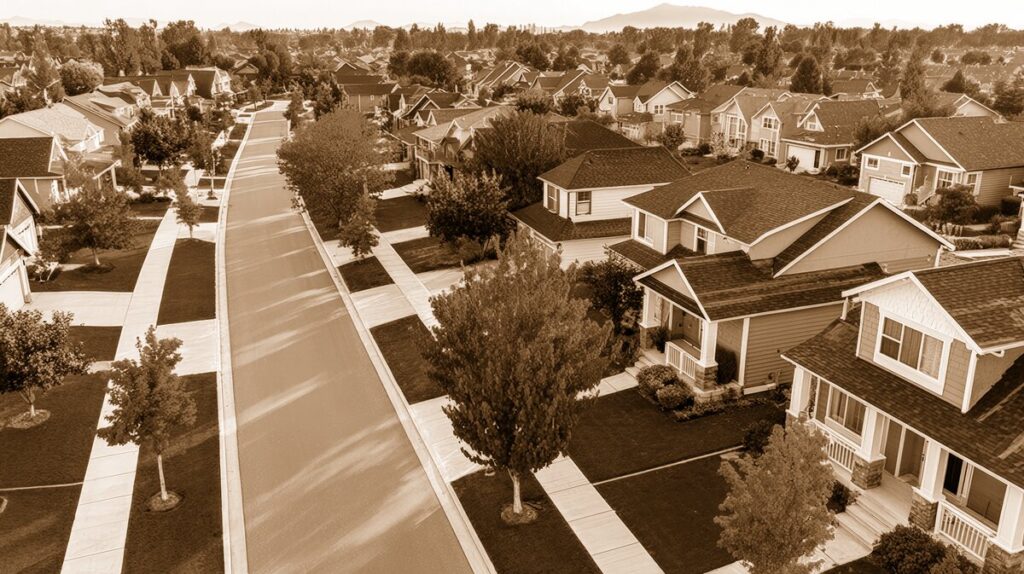
Nestled just to the west of downtown Fort Lauderdale, the Oak River neighborhood quietly weaves together rich history, scenic beauty, and a strong sense of community. For those who call Oak River home—or for visitors drawn to its tree-lined streets and waterside parks—there’s a deep appreciation for its heritage and the touchstones that continue to define this beloved area.
Origins: From Untamed Land to Flourishing Neighborhood
Oak River’s beginnings date back to the early twentieth century, a time when Fort Lauderdale itself was still coming into its own. The land that is now Oak River was once thick with native oaks, sabal palms, and a crisscross of tidal creeks. The proximity to New River—which gently curves along the neighborhood’s northern edge—made this area both naturally beautiful and convenient for early settlers.
In the 1940s and 1950s, as Fort Lauderdale expanded westward from its historic downtown core, developers began envisioning a residential enclave that would blend waterways, green spaces, and easy access to the city center. You can still feel this vision in Oak River’s planners’ careful preservation of native trees and generous lot sizes.
How Oak River Got Its Name
The neighborhood’s name pays homage to its defining characteristics: the grand oak trees that dot its landscape and the waterways they overlook. It’s said that early residents—many of them newcomers from northern states—would gather under live oaks near the banks of the New River for picnics and social events. These gatherings fostered a close-knit spirit, ultimately inspiring the Oak River name.
Key Milestones in Oak River History
- 1950s-1960s: Oak River’s first single-family homes were erected along SW 9th Avenue and SW 11th Street. The architectural style reflected the era, with mid-century ranch homes featuring breezeways and Florida rooms to capture cross-ventilation.
- 1972: The establishment of Oak River Park at SW 11th Court provided a dedicated green space for families, events, and youth sports—a gathering place that remains a hub of activity today.
- 1985: The opening of Riverside Elementary School, just east of Oak River, offered families a top-rated public school within walking distance, helping to fuel further growth and attract young families to the area.
- 1990s-2000s: Oak River experienced modest redevelopment, with the addition of townhomes and updated park amenities, while maintaining its low-rise, family-oriented character.
- 2020s: Oak River launched its own neighborhood association, championing local pride through annual river cleanups, block parties, and holiday festivals.
Notable Landmarks and Institutions
Perhaps the most iconic feature of Oak River is Oak River Park, tucked off SW 11th Court. Towering oaks provide ample shade over picnic tables and a community playground—the laughter of children here is as much a part of the landscape as the rustling leaves overhead. Each spring, the park’s butterfly garden comes to life, attracting neighbors young and old for an annual “Garden Day” celebration.
The proximity to the New River presents another cherished landmark: the pedestrian footbridge connecting Oak River to the Tarpon River neighborhood. This route, much-loved by joggers and dog walkers, offers stunning sunrise views across the water and a direct link to the city’s famous Riverwalk.
Local residents also point with pride to Riverside Elementary and the historic First St. John Missionary Baptist Church on SW 11th Street, both pillars of stability and community spirit for generations.
Evolution Through the Decades
Oak River has managed to preserve its original charm, even as Fort Lauderdale’s skyline has grown ever higher. In the 1970s and ’80s, the neighborhood became a haven for young families seeking a “good school, safe streets, and a little piece of nature,” as longtime resident Janet Holbrook likes to say.
During the early 2000s, as South Florida experienced a boom in real estate, Oak River’s residents worked diligently to retain their neighborhood’s character. Homeowners collaborated with city officials to enact landscaping ordinances that protected the signature live oaks and promoted native plantings. Contemporary updates—such as the expansion of sidewalk paths and the addition of new playground equipment in Oak River Park—were balanced by a steadfast commitment to the neighborhood’s heritage.
Today, Oak River is a thriving blend of old and new. Original ranch homes share blocks with thoughtfully designed townhouses, and long-resident families mingle with newcomers drawn by the neighborhood’s central location and riverside appeal. The low speed limits and frequent “Slow Down, Children at Play” signs point to the area’s family-friendly ethos, while the annual Fall River Fest and neighborhood yard sale keep traditions alive.
What Makes Oak River Special
To walk the streets of Oak River—say, along SW 9th Avenue as the evening sun filters through the oaks—is to sense a place in harmony with its roots yet open to change.
- The parks are always lively, echoing with the sounds of birthday parties or youth soccer games.
- Community bulletin boards overflow with flyers for yoga classes, lost pets, or neighborhood improvement projects.
- Neighbors are known to offer a helping hand, whether in organizing a community cleanup along the New River or hosting newcomers at the annual barbecue in Oak River Park.
Perhaps what ultimately sets Oak River apart is the pride residents take in their shared history—each new chapter not a replacement for what came before, but an addition to the story of this beloved Fort Lauderdale neighborhood.
So whether you’re a longtime local or simply a curious visitor, take a stroll through Oak River. Its shade-dappled sidewalks, vibrant parks, and warm community spirit are sure to leave a lasting impression—just as they have for generations of Fort Lauderdale families.